
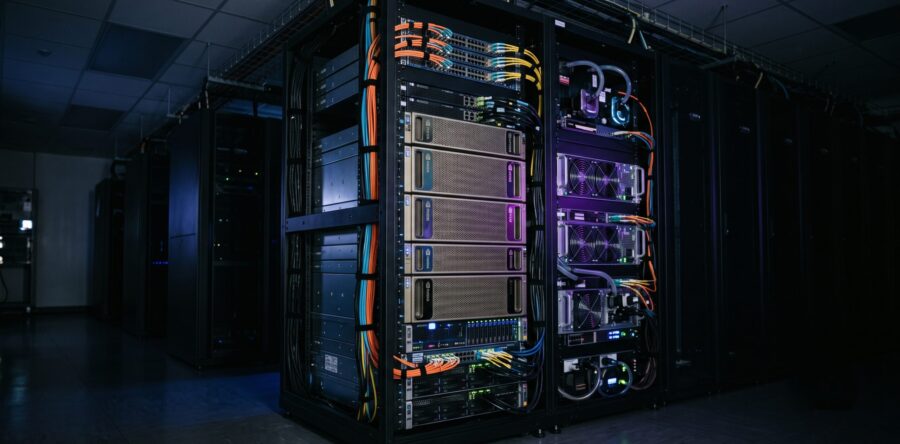
The days when AI giants only outcompeted each other with the 'smartest' models are officially over. Anyone looking to build efficiently today notices it immediately: the new battle in AI territory is no longer about who is the smartest, but about who can actually deliver the compute power.
In this blog post, I will walk you through the massive shift currently happening in the AI landscape, why the established order is under pressure, and how you as a developer or entrepreneur can set up your workflow to achieve maximum speed at minimal cost.
From "Who is the Smartest?" to "Who Can Deliver?"
Until recently, everyone eagerly anticipated the latest benchmarks. Whether it was OpenAI, Anthropic, or Google: every new model was a fraction smarter than the last. But in the reality of 2026, developers are running into a completely different problem: the GPU shortage.
New-generation 'reasoning' models (like Kimi K3 and advanced DeepSeek variants) "think" first before providing an answer. This yields brilliant code and analyses, but in the background, it sometimes requires up to 10 times more compute power from data centers.
The result?
- Membership halts: Innovative challengers like Moonshot AI (known for Kimi) recently had to temporarily pause new subscriptions because their servers were literally at capacity.
- Shifting business models: Established platforms like GitHub Copilot shifted from 'unlimited' subscriptions to strict credit systems (token-based billing), leaving heavy developers suddenly paying hundreds of euros more per month.
The Smart Web-Stack: Not One Expensive Tool, But One Ecosystem
As a web development agency or developer, you can do two things: keep paying top dollar for a single 'all-in-one' platform, or split up your workflow intelligently. The developers building the fastest right now combine the best of different worlds:
1. The Architect (Large Context & Brainstorming)
For designing complete CRM structures, complex database schemas, and analyzing tens of thousands of lines of code simultaneously, choose a model with a massive context window. Models like Kimi K3 (with a 1-million-token memory) or Gemini Pro oversee the entire project in one go without forgetting details.
2. The Mason (Mass Code Generation)
For heavy, iterative work — such as running 'agent loops' that automatically modify and test dozens of files — the direct DeepSeek API is currently unbeatable. It delivers Fable-class performance for a fraction of a cent per token.
3. The Typing Assistant (Real-time in the Editor)
In your code editor (like VS Code), you simply want your code completed at lightning speed while typing. Basic tiers of tools like GitHub Copilot or free alternatives like Codeium remain ideal for this, without draining your credit budget.
What Does This Mean for Your Projects?
Whether you are having a custom CRM system built, optimizing a webshop, or requiring a complex API integration: choosing the right AI infrastructure directly determines your project's turnaround time and price tag.
By not blinding yourself with a single expensive brand name, but building smart with combined AI pipelines, you can:
- Save up to 60% on software and development costs.
- Deliver large-scale applications faster thanks to agents building in the background.
- Maintain guaranteed capacity, even when the broader internet gets congested.
Conclusion
The AI world is moving faster than ever. The true winners of this year aren't the companies with the most expensive subscription, but those who manage to forge the smartest chain of AI tools.

